
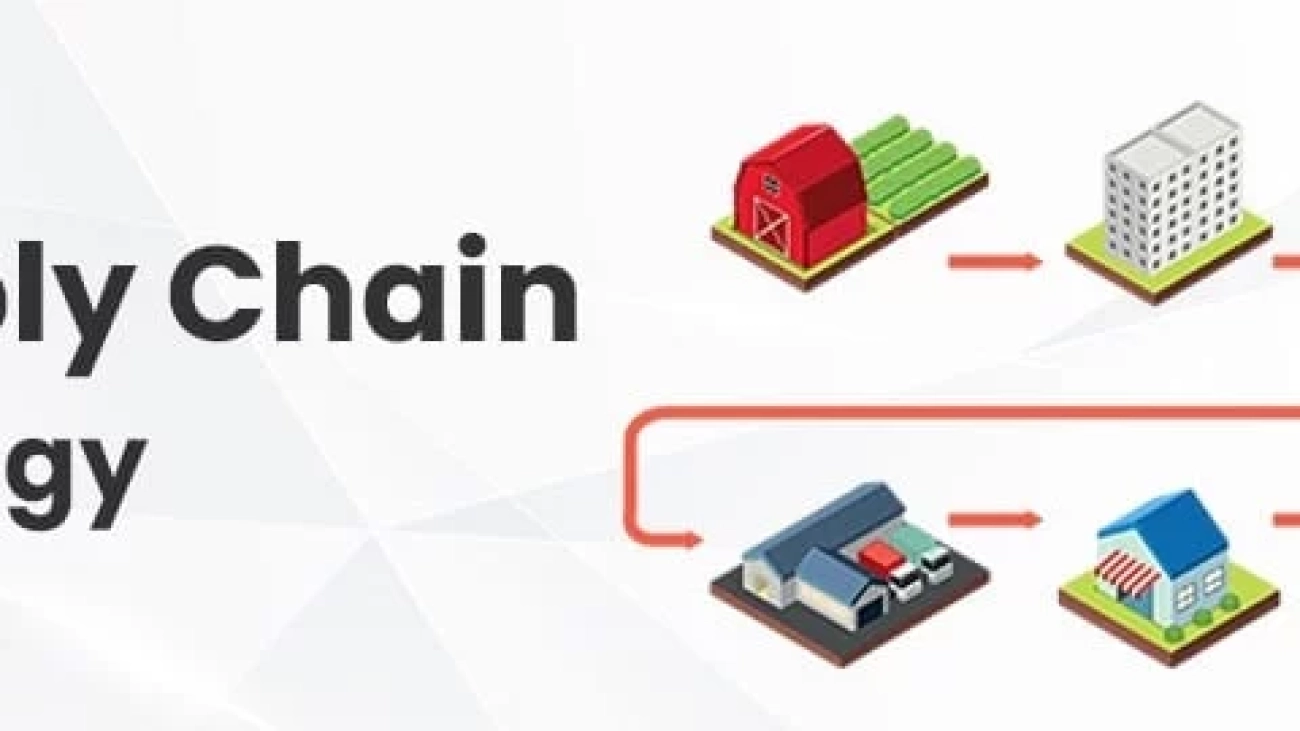
Linkage Between Generic Cost & Differentiation Strategies and Supply Chain Strategies
In strategic management, organizations generally follow one of two major competitive strategies:
- Cost Leadership Strategy
- Differentiation Strategy
These are often called generic competitive strategies, and each strategy requires a different supply chain strategy. If the supply chain strategy does not match the competitive strategy, the business strategy will fail in execution.
At Talent Consultancy, we always explain this concept very clearly:
**Competitive strategy defines how you compete.
Supply chain strategy defines how you operate to support that competition.**
1. Cost Leadership Strategy and Supply Chain Strategy
Cost Leadership Strategy
The objective of cost leadership is:
- Produce at the lowest cost
- Sell at competitive prices
- Maintain profit through cost efficiency
- Focus on efficiency and productivity
Companies using cost leadership compete through low price and efficiency.
Supply Chain Strategy for Cost Leadership
To support a cost leadership strategy, the supply chain must focus on:
- Low-cost sourcing
- Global sourcing
- Bulk purchasing
- High capacity utilization
- Lean inventory
- Efficient transportation
- Centralized warehousing
- Standardized products
- Long production runs
- Cost control KPIs
- Supplier price negotiations
- Process efficiency
- Automation
Characteristics of Cost-Efficient Supply Chain
| Area | Strategy |
| Suppliers | Low-cost suppliers |
| Purchasing | Bulk purchasing |
| Inventory | Low inventory cost |
| Warehousing | Centralized |
| Logistics | Low-cost transportation |
| Forecasting | Stable demand |
| Production | High volume |
| Products | Standardized |
| Focus | Efficiency & cost reduction |
Result
Low supply chain cost → Low product cost → Competitive pricing → Higher sales → Profit through volume
2. Differentiation Strategy and Supply Chain Strategy
Differentiation Strategy
The objective of differentiation is:
- Offer unique products
- Offer high quality
- Offer fast delivery
- Offer customization
- Offer innovation
- Provide excellent service
- Build brand loyalty
Companies using differentiation compete through value, quality, service, and innovation, not price.
Supply Chain Strategy for Differentiation
To support differentiation strategy, the supply chain must focus on:
- High-quality suppliers
- Reliable suppliers
- Flexible production
- Short lead times
- Safety stock availability
- Fast logistics
- Decentralized warehouses
- Demand forecasting accuracy
- Supplier partnerships
- Innovation collaboration
- Service level agreements
- Performance-based contracts
Characteristics of Responsive Supply Chain
| Area | Strategy |
| Suppliers | High quality & reliable |
| Purchasing | Flexible purchasing |
| Inventory | Safety stock available |
| Warehousing | Decentralized |
| Logistics | Fast delivery |
| Forecasting | Dynamic demand |
| Production | Flexible production |
| Products | Customized |
| Focus | Service, speed & quality |
Result
Better service → Customer satisfaction → Brand loyalty → Premium price → Higher profit margin
Cost vs Differentiation Supply Chain Comparison
| Supply Chain Area | Cost Leadership Strategy | Differentiation Strategy |
| Objective | Lowest cost | Best service / quality |
| Suppliers | Low-cost suppliers | High-quality suppliers |
| Purchasing | Bulk buying | Flexible buying |
| Inventory | Low inventory | Safety stock |
| Warehousing | Centralized | Decentralized |
| Logistics | Low-cost transport | Fast delivery |
| Production | High volume | Flexible production |
| Products | Standardized | Customized |
| Forecasting | Stable demand | Dynamic demand |
| Focus | Efficiency | Responsiveness |
| KPI | Cost reduction | Service level |
| Risk | Low cost risk | Service risk |
Strategic Fit Between Business Strategy and Supply Chain Strategy
This concept is called Strategic Fit.
Strategic Fit Means:
Supply chain strategy must match competitive strategy.
| Business Strategy | Supply Chain Strategy |
| Cost Leadership | Efficient Supply Chain |
| Differentiation | Responsive Supply Chain |
| Innovation | Flexible Supply Chain |
| Speed | Agile Supply Chain |
| Growth | Scalable Supply Chain |
If there is no strategic fit:
- Costs become high
- Service levels become poor
- Inventory becomes too high
- Delivery becomes slow
- Customers become dissatisfied
- Profitability reduces
Strategic fit ensures operational alignment with competitive strategy.
Linkage Through the OTP Framework
The linkage between generic strategies and supply chain strategy can also be explained through the OTP Framework (Operations → Transparency → Profit).
1. Visibility
Organizations must have visibility into:
- Supply chain costs
- Service levels
- Supplier performance
- Inventory levels
- Delivery performance
- Logistics costs
- Forecast accuracy
- Supply chain risks
Visibility helps management understand whether the supply chain supports cost leadership or differentiation strategy.
2. Accountability
Each department must support the strategy:
For cost strategy:
- Procurement → Reduce cost
- Logistics → Reduce transport cost
- Warehouse → Reduce inventory cost
- Production → Improve efficiency
For differentiation strategy:
- Procurement → Ensure quality suppliers
- Logistics → Ensure fast delivery
- Warehouse → Ensure product availability
- Production → Ensure flexibility
Accountability ensures strategy is implemented operationally.
3. Control
Control systems include:
- Supply chain KPIs
- Cost KPIs
- Service level KPIs
- Inventory KPIs
- Supplier KPIs
- Logistics KPIs
- Demand planning KPIs
Control ensures the supply chain is aligned with business strategy objectives.
4. Profit
When supply chain strategy supports competitive strategy:
- Costs reduce
- Service improves
- Customers are satisfied
- Sales increase
- Profit increases
- Business performance improves
Therefore:
Competitive Strategy → Supply Chain Strategy → Operational Performance → Customer Satisfaction → Profitability → Business Success
Final Thought
Many organizations choose a cost leadership or differentiation strategy, but they fail because their supply chain strategy does not support their competitive strategy. A company cannot promise fast delivery with a slow logistics network, and it cannot promise low prices with a high-cost supply chain.
At Talent Consultancy, we emphasize that competitive strategy and supply chain strategy must be aligned to create operational efficiency, customer satisfaction, and profitability.
Because in strategic management:
Companies do not fail because of strategy.
They fail because operations and supply chains do not support the strategy.