
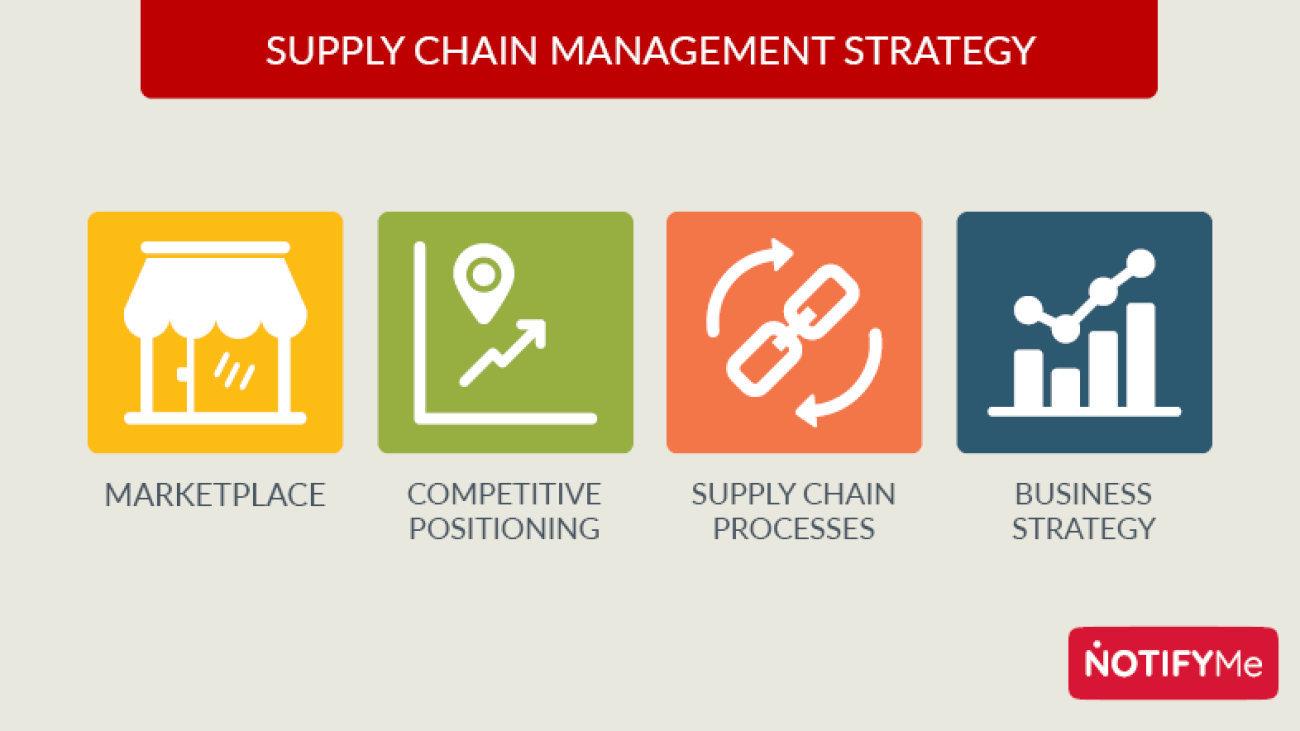
Linkage Between Business Strategy and Supply Chain Strategy – Aligning Operations with Organizational Success
Many organizations develop strong business strategies but fail in execution. The reason is simple:
A business strategy without a supporting supply chain strategy cannot succeed.
Business strategy defines where the company wants to go, while supply chain strategy defines how the company will get there operationally.
If there is no alignment between these two, organizations face:
- High costs
- Poor service levels
- Delivery delays
- Inventory problems
- Customer dissatisfaction
- Reduced profitability
At Talent Consultancy, we emphasize that supply chain strategy must be designed to support business strategy, not operate independently.
What Is Business Strategy
Business strategy defines:
- Organizational goals
- Market positioning
- Competitive advantage
- Growth plans
- Cost leadership or differentiation
- Customer value proposition
- Expansion plans
It answers:
“Where do we want to compete and how do we win?”
What Is Supply Chain Strategy
Supply chain strategy defines:
- Procurement approach
- Supplier strategy
- Inventory strategy
- Logistics and distribution model
- Demand planning approach
- Service level targets
- Cost vs service balance
- Risk management approach
- Supply chain network design
It answers:
“How do we support the business strategy operationally?”
Why Alignment Is Important
If business strategy and supply chain strategy are not aligned:
- A low-cost strategy may have a high-cost supply chain
- A fast delivery strategy may have slow logistics
- A premium quality strategy may have poor suppliers
- A growth strategy may have limited supply capacity
This creates strategy failure at the operational level.
Alignment ensures:
- Operations support strategy
- Costs match business objectives
- Service levels meet customer expectations
- Supply chain supports growth
- Risks are managed effectively
Examples of Business Strategy and Supply Chain Alignment
1. Cost Leadership Strategy
Business Strategy:
Offer products at the lowest cost.
Supply Chain Strategy:
- Low-cost sourcing
- Global suppliers
- Bulk purchasing
- High efficiency operations
- Lean inventory
- Standardized processes
Result:
Lower operational cost → Lower selling price → Competitive advantage
2. Differentiation Strategy (Quality Focus)
Business Strategy:
Offer high-quality or premium products.
Supply Chain Strategy:
- High-quality suppliers
- Supplier certification
- Strict quality control
- Reliable delivery
- Strategic supplier partnerships
Result:
High product quality → Customer satisfaction → Brand strength
3. Speed and Responsiveness Strategy
Business Strategy:
Deliver products quickly to customers.
Supply Chain Strategy:
- Local suppliers
- Short lead times
- Decentralized warehouses
- Fast logistics
- Safety stock availability
Result:
Faster delivery → Customer satisfaction → Market competitiveness
4. Innovation Strategy
Business Strategy:
Focus on innovation and new product development.
Supply Chain Strategy:
- Strategic supplier partnerships
- Early supplier involvement
- Technology suppliers
- Flexible supply chain
- Collaboration with suppliers
Result:
Faster innovation → Competitive advantage
5. Growth and Expansion Strategy
Business Strategy:
Expand into new markets.
Supply Chain Strategy:
- Scalable supply chain
- Global sourcing
- New distribution networks
- Strong logistics network
- Supplier capacity expansion
Result:
Smooth expansion → Market growth
Supply Chain Strategy as an Execution Tool
Business strategy is a plan.
Supply chain strategy is the execution system.
Without supply chain strategy:
- Plans remain on paper
- Operations fail
- Customers are dissatisfied
- Costs increase
- Profitability decreases
Supply chain is where strategy becomes reality.
Linkage Through the OTP Framework
The linkage between business strategy and supply chain strategy can be clearly understood through the OTP Framework (Operations → Transparency → Profit).
1. Visibility (Strategic Alignment Visibility)
Organizations must have visibility into:
- Supply chain costs
- Supplier performance
- Inventory levels
- Demand forecasts
- Logistics performance
- Supply chain risks
- Service levels
This visibility helps management understand:
- Whether supply chain supports business strategy
- Where gaps exist
- Where improvements are needed
Visibility ensures alignment is measurable.
2. Accountability (Responsibility for Strategic Execution)
Alignment requires accountability:
- Procurement → cost and supplier strategy
- Logistics → delivery performance
- Warehouse → inventory accuracy
- Planning → demand forecasting
- Finance → cost control
Each function must be responsible for supporting business strategy through supply chain execution.
3. Control (Systems and Strategic Governance)
Control mechanisms include:
- Supply chain KPIs
- Inventory control systems
- Procurement policies
- Supplier contracts
- Logistics tracking systems
- Risk management systems
Control ensures supply chain activities are:
- Consistent
- Efficient
- Aligned with strategy
4. Profit (Strategic Alignment Leads to Profitability)
When business strategy and supply chain strategy are aligned:
- Costs are controlled
- Service levels improve
- Delivery improves
- Customer satisfaction increases
- Risks reduce
- Operations become efficient
This leads to:
- Higher profitability
- Better business performance
- Competitive advantage
Therefore:
Business Strategy + Supply Chain Strategy Alignment → Operational Efficiency → Customer Satisfaction → Profitability → Business Success
Common Mistakes Organizations Make
- Developing business strategy without involving supply chain
- Treating supply chain as operational, not strategic
- No communication between strategy and operations
- No supply chain KPIs linked to business goals
- No demand planning
- Poor supplier strategy
- No risk management
- Lack of integration across departments
These mistakes lead to strategy failure.
Strategic Importance of Alignment
Organizations that align business and supply chain strategies achieve:
- Competitive advantage
- Cost efficiency
- Service excellence
- Operational efficiency
- Strong supplier performance
- Better risk management
- Scalable operations
- Sustainable growth
Alignment is therefore a critical success factor.
Final Thought
Many organizations create strong strategies but fail in execution because they ignore the role of supply chain. A business strategy is only as strong as the supply chain that supports it.
At Talent Consultancy, we always emphasize that supply chain should not follow business strategy—it should be designed together with business strategy to ensure successful execution and long-term performance.
Because in modern business:
Strategy defines direction, but supply chain delivers results.
Without alignment, strategy fails. With alignment, strategy performs.Linkage with Generic Cost and Differentiation strategies and supply chain strategies