
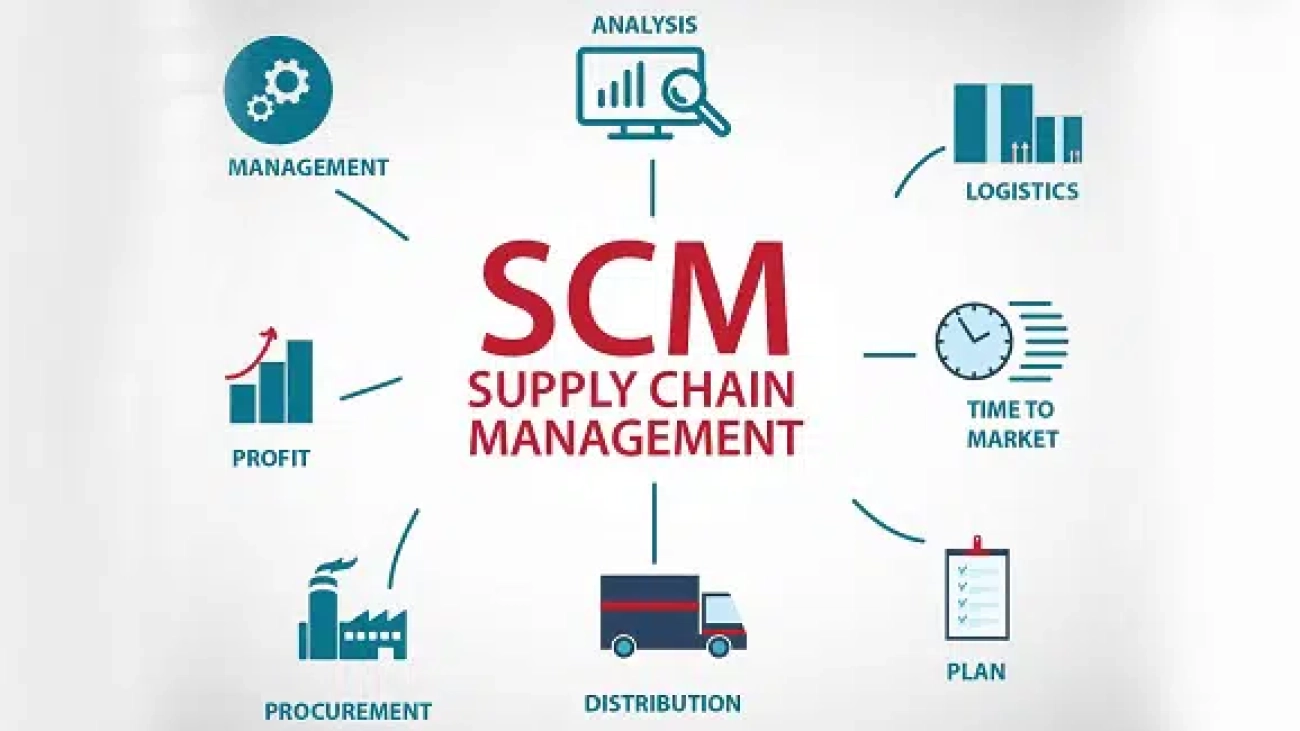
Supply Chain Management – The System That Connects Operations, Procurement, and Business Performance
Supply Chain Management – The System That Connects Operations, Procurement, and Business Performance
Many people think supply chain management is about transport, warehouse, and delivery. But in reality, supply chain management is much bigger than logistics.
Supply Chain Management is the system that manages the flow of materials, information, and money from suppliers to customers.
It connects:
- Procurement
- Suppliers
- Warehousing
- Inventory
- Production
- Logistics
- Distribution
- Customers
- Finance
- Information systems
That means supply chain management is not a department — it is a business system.
At Talent Consultancy, we explain supply chain management as the operational engine that controls cost, service level, inventory, and business efficiency.
What Is Supply Chain Management
Simple Definition
Supply Chain Management (SCM) is the management of:
- Material flow
- Information flow
- Cash flow
from supplier → organization → customer.
Supply Chain Flow
The basic supply chain flow looks like this:
Suppliers → Procurement → Warehouse → Production → Finished Goods → Distribution → Customers → Cash → Business
If this flow is efficient:
- Costs reduce
- Delivery improves
- Inventory reduces
- Customer satisfaction increases
- Profit increases
If this flow is inefficient:
- Delays occur
- Inventory increases
- Costs increase
- Customers complain
- Profit reduces
So supply chain management directly affects business performance and profitability.
Main Components of Supply Chain Management
Supply chain management has several key components.
1. Procurement Management
Procurement is responsible for:
- Supplier selection
- Purchasing
- Contract management
- Supplier performance
- Cost management
Procurement controls input cost, which directly affects profit.
2. Inventory Management
Inventory management controls:
- Raw materials
- Work-in-progress
- Finished goods
- Reorder levels
- Safety stock
- Inventory turnover
Too much inventory → Cash flow problem
Too little inventory → Stockout problem
Inventory management is a balance between cost and service level.
3. Warehouse Management
Warehouse management includes:
- Receiving
- Storage
- Material handling
- Picking
- Packing
- Dispatch
- Warehouse layout
- Stock control
Good warehouse management improves:
- Efficiency
- Accuracy
- Delivery speed
- Inventory control
4. Logistics and Distribution
Logistics includes:
- Transportation
- Delivery planning
- Route planning
- Freight management
- Delivery scheduling
- Distribution network
Logistics affects:
- Delivery time
- Transportation cost
- Customer satisfaction
5. Demand Planning and Forecasting
Demand planning ensures:
- Right product
- Right quantity
- Right time
- Right location
Poor forecasting causes:
- Excess inventory
- Stockouts
- Emergency purchases
- High logistics costs
- Production delays
Demand planning connects sales, operations, and procurement.
6. Information Flow in Supply Chain
Information flow includes:
- Demand forecasts
- Purchase orders
- Delivery schedules
- Inventory levels
- Production plans
- Supplier performance data
- Customer orders
Without information flow, supply chain cannot function properly.
Supply Chain Management and Business Performance
Supply chain management affects business performance in many ways:
| Supply Chain Area | Business Impact |
| Procurement | Cost reduction |
| Inventory | Cash flow |
| Logistics | Delivery performance |
| Warehouse | Efficiency |
| Forecasting | Planning accuracy |
| Suppliers | Material availability |
| Distribution | Customer satisfaction |
| Information | Decision making |
| Risk management | Business continuity |
Therefore, supply chain management affects:
- Cost
- Service
- Cash flow
- Efficiency
- Risk
- Profitability
- Customer satisfaction
- Business performance
Supply Chain Management and the OTP Framework
Supply chain management strongly connects with the OTP Framework (Operations → Transparency → Profit).
1. Visibility (Supply Chain Transparency)
Organizations must have visibility into:
- Inventory levels
- Supplier deliveries
- Procurement status
- Warehouse stock
- Production plans
- Customer orders
- Logistics deliveries
- Supply chain costs
- Supply chain risks
This visibility is called Supply Chain Transparency.
Without visibility:
- Inventory becomes too high
- Deliveries are delayed
- Costs increase
- Planning becomes difficult
- Management cannot control operations
Visibility improves decision making and planning.
2. Accountability (Responsibility in Supply Chain)
Supply chain involves many departments:
- Procurement
- Warehouse
- Logistics
- Production
- Sales
- Finance
If responsibilities are not clearly defined:
- Procurement blames warehouse
- Warehouse blames logistics
- Logistics blames suppliers
- Production blames procurement
- Everyone blames everyone
Supply chain management requires:
- Clear responsibilities
- KPIs
- Performance measurement
- Service level agreements
- Cross-functional coordination
Accountability improves supply chain performance.
3. Control (Managing Supply Chain Operations)
Supply chain control includes:
- Inventory control
- Procurement control
- Logistics control
- Warehouse control
- Supplier performance control
- Demand planning control
- Cost control
- Risk control
Control systems include:
- ERP systems
- Inventory systems
- Procurement systems
- Logistics tracking
- Supplier performance scorecards
- KPIs and dashboards
Control ensures efficient and stable supply chain operations.
4. Profit (Supply Chain Contribution to Profitability)
An efficient supply chain:
- Reduces procurement costs
- Reduces inventory costs
- Reduces transportation costs
- Reduces emergency purchases
- Improves delivery performance
- Improves customer satisfaction
- Improves operational efficiency
- Improves cash flow
This leads to:
- Higher profitability
- Better business performance
- Competitive advantage
Therefore:
Efficient Supply Chain → Lower Cost + Better Service → Higher Customer Satisfaction → Higher Sales → Higher Profit → Business Growth
Strategic Importance of Supply Chain Management
Modern organizations compete not only with products and prices but also with supply chains.
Companies with strong supply chains:
- Deliver faster
- Maintain lower costs
- Maintain optimal inventory
- Manage suppliers better
- Handle risks better
- Serve customers better
That is why supply chain management is now considered a strategic function, not just logistics or warehousing.
Final Thought
Many organizations try to improve sales, marketing, and production, but they ignore supply chain management. However, even if sales increase, poor supply chain management can destroy profitability through high costs, excess inventory, delays, and operational inefficiencies.
At Talent Consultancy, we always explain that supply chain management is not about trucks and warehouses — it is about managing the flow of materials, information, and cash efficiently to improve operational performance and profitability.
Because in modern business:
Companies do not compete with companies. Supply chains compete with supply chains.