
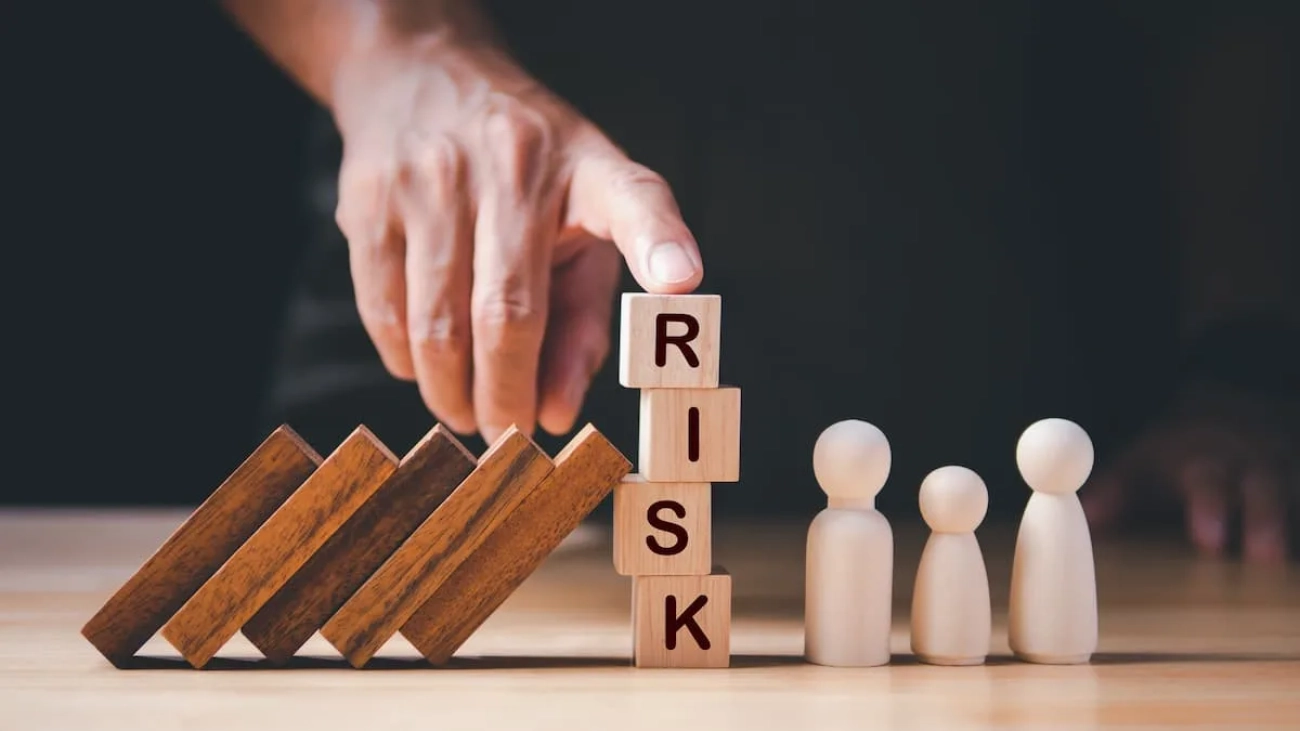
Risk Management in Supply Management
(Protecting Operations, Cost & Continuity | OTP Framework Perspective)**
Many organizations focus on:
- Cost reduction
- Supplier selection
- Inventory optimization
But ignore a critical factor:
Supply risk
Because in reality:
It is not disruptions that destroy businesses—it is the lack of preparation for them.
At Talent Consultancy, we emphasize:
“Risk management is not about avoiding problems—it is about ensuring continuity despite problems.”
1. What is Risk Management in Supply Management?
Definition:
The process of:
- Identifying risks
- Analyzing risks
- Mitigating risks
- Monitoring risks
within procurement and supply chain activities
Core Concept:
Identify → Assess → Mitigate → Monitor → Control
Key Insight:
Supply chains do not fail because of risks—they fail because risks are unmanaged
2. Types of Risks in Supply Management (Detailed with Examples)
1. Supplier Risk
What it Means:
- Supplier failure to deliver
Examples:
- Bankruptcy
- Poor performance
- Capacity issues
Impact:
- Stockouts
- Production delays
Insight:
Dependence on one supplier increases risk
2. Demand Risk
What it Means:
- Uncertainty in customer demand
Examples:
- Forecast errors
- Market fluctuations
Impact:
- Overstock or shortages
Insight:
Poor forecasting increases operational risk
3. Supply Risk
What it Means:
- Disruption in supply flow
Examples:
- Raw material shortage
- Supplier delays
Impact:
- Production stoppage
4. Logistics Risk
What it Means:
- Transportation issues
Examples:
- Delays
- Accidents
- Port congestion
Impact:
- Late deliveries
5. Financial Risk
What it Means:
- Cost and currency fluctuations
Examples:
- Exchange rate changes
- Price increases
Impact:
- Increased procurement cost
6. Compliance Risk
What it Means:
- Legal and regulatory issues
Examples:
- Import/export restrictions
- Non-compliance penalties
Impact:
- Fines and delays
7. Operational Risk
What it Means:
- Internal process failures
Examples:
- Poor planning
- Lack of SOPs
Impact:
- Inefficiency
3. Risk Impact on Business Performance
1. Cost Increase
- Emergency sourcing
- Expedited shipping
2. Service Failure
- Delayed deliveries
3. Production Disruption
- Idle operations
4. Customer Dissatisfaction
- Poor service
5. Profit Reduction
- Increased expenses
Key Insight:
Risk directly impacts cost, service, and profit
4. Risk Management Strategies in Supply Management
1. Supplier Diversification
What it Means:
- Multiple suppliers
Impact:
- Reduced dependency
2. Safety Stock Management
What it Means:
- Maintain buffer inventory
Impact:
- Protection against shortages
3. Demand Forecasting Improvement
What it Means:
- Data-driven forecasting
Impact:
- Reduced uncertainty
4. Strong Contracts & Agreements
What it Means:
- Clear terms
Impact:
- Reduced risk exposure
5. Real-Time Visibility Systems
What it Means:
- Track inventory and shipments
Impact:
- Early risk detection
6. Risk Monitoring KPIs
Examples:
- Supplier performance
- Delivery delays
- Inventory levels
Impact:
- Continuous control
7. Contingency Planning
What it Means:
- Backup plans
Impact:
- Business continuity
5. KPI-Based Risk Monitoring (With Example Calculations)
1. Supplier On-Time Delivery (Risk Indicator)
(On-time deliveries ÷ Total deliveries) × 100
Example:
- 85 out of 100
85% → High risk (below target)
2. Stockout Rate
(Stockout incidents ÷ Total demand instances) × 100
Example:
- 10 out of 200
5% stockout rate
3. Inventory Coverage
Inventory ÷ Daily demand
Example:
- Inventory = 1,000 units
- Daily demand = 100
Coverage = 10 days
4. Supplier Defect Rate
(Defective units ÷ Total units) × 100
Insight:
KPIs help detect risks before they become problems
6. Linking Risk Management to OTP Framework
OTP Framework
Operations → Visibility → Accountability → Control → Profit
7. Risk Management in OTP Perspective
1. Visibility (Identifying Risks)
Organizations must:
- Track supplier performance
- Monitor demand and inventory
Impact:
- Early detection of risks
OTP Link
Data → Visibility → Risk Awareness
2. Accountability (Ownership of Risk)
Assign responsibility:
- Procurement → Supplier risk
- Logistics → Delivery risk
Impact:
- Faster response
OTP Link
Visibility → Accountability → Responsibility
3. Control (Risk Mitigation)
Organizations must:
- Implement strategies
- Monitor KPIs
Impact:
- Reduced disruption
OTP Link
Accountability → Control → Stability
4. Profit (Outcome of Risk Management)
Effective risk management leads to:
- Stable operations
- Reduced cost
- Improved service
Higher profitability
8. Integrated Business Example
Situation:
Supplier delays causing stockouts
Without Risk Management:
- No backup supplier
Result:
- Production stoppage
With Risk Management (OTP):
Visibility
- Monitor supplier performance
Accountability
- Assign procurement responsibility
Control
- Add alternate supplier
Result:
- Continuous supply
- Reduced risk
- Improved performance
9. Points to Remember in Business Operations
1. Risks Are Inevitable
- Must be managed
2. Prevention is Better Than Reaction
- Proactive approach
3. Visibility is Critical
- Identify risks early
4. KPIs Enable Risk Control
- Measure and monitor
5. Risk Management Protects Profit
- Stability drives success
10. Complete Performance Logic
Risk Management
→ Risk Identification
→ Risk Control
→ Operational Stability
→ Cost Reduction
→ Customer Satisfaction
→ Revenue
→ Profit
→ Business Performance
Final Strategic Thought
Supply chain disruptions are unavoidable, but their impact can be minimized through effective risk management. Organizations that proactively identify and control risks achieve greater stability and performance.
At Talent Consultancy, we emphasize that risk management must be integrated into supply management processes to ensure continuity, efficiency, and profitability.
Final Powerful Statement
Risks do not destroy businesses – Unmanaged risks do. And strong supply chains are built not on certainty, but on preparedness.