INTEGRITY

Vitality of Workplace Integrity in Business Operations

Vitality of Workplace Integrity in Business Operations

Why Integrity is the Foundation of Trust, Accountability, Performance, and Sustainable Business Success

Operations → Visibility → Accountability → Control → Profit (OTP Framework)

Concept Insight

Many organizations invest heavily in:

-Technology
-Systems
-Policies
-Procedures
-Training

Yet they still experience:

-Fraud
-Misconduct
-Workplace conflicts
-Poor accountability
-Customer complaints
-Compliance failures

Why?

Because systems alone do not create organizational success.

People do.

And the quality that determines how people behave when nobody is watching is:

Integrity

What is Workplace Integrity?

Workplace Integrity refers to:

Consistently acting honestly, ethically, responsibly, and professionally while adhering to organizational values, policies, and legal requirements.

Simply put:

Integrity means doing the right thing even when no one is watching.

An employee with integrity:

-Tells the truth
-Takes responsibility
-Keeps promises
-Follows policies
-Reports problems honestly
-Treats others fairly

Integrity is the invisible force that keeps organizations functioning effectively.

Workplace Integrity Through OTP Framework

Operations → Visibility → Accountability → Control → Profit

1️.Operations

Integrity Improves Operational Effectiveness

Every operational process depends on trust.

Example

A warehouse operator notices inventory damage.

Without Integrity

-Hides the damage

-Falsifies records

Result

Inventory inaccuracies

Customer complaints

Financial losses

With Integrity

-Reports the damage immediately

-Updates records accurately

-Takes corrective action

Result

Better operational reliability

Operational Principle

Integrity ensures that operations run on facts, not assumptions.

2️.Visibility

Integrity Creates Transparency

Management decisions are only as good as the information received.

Example

A supervisor discovers production delays.

Without Integrity

-Manipulates KPI reports

-Hides actual performance

Result

Management cannot identify real problems.

With Integrity

-Reports actual performance

-Highlights operational challenges

-Recommends solutions

Result

Better visibility and decision-making

Visibility Principle

Integrity ensures that reality is visible to management.

3️.Accountability

Integrity Strengthens Responsibility

Organizations need employees who:

-Accept ownership

-Admit mistakes

-Learn from failures

-Deliver commitments

Example

A purchasing officer makes an ordering error.

Without Integrity

-Blames suppliers

-Blames colleagues

With Integrity

-Accepts responsibility

-Corrects the issue

-Improves future processes

Result

Stronger accountability culture

Accountability Principle

Integrity transforms excuses into ownership.

4️.Control

Integrity Strengthens Internal Controls

Policies and procedures alone cannot eliminate risk.

Organizations rely on employee integrity to support:

-Compliance

-Risk management

-Governance

-Ethical conduct

Example

An employee notices fraudulent activity.

Without Integrity

-Ignores it

-Protects the offender

With Integrity

-Reports the issue

-Supports investigation

-Protects organizational interests

Result

Fraud risks reduced

Control Principle

Integrity is the human side of internal control.

5️.Profit

Integrity Protects Long-Term Profitability

Some organizations pursue short-term gains through unethical behavior.

Examples:

-Misleading customers

-Manipulating financial reports

-Ignoring compliance requirements

Short-term benefits may occur.

However, long-term consequences often include:

-Legal penalties

-Customer loss

-Reputational damage

-Reduced profitability

Organizations with Integrity Achieve

-Customer trust

-Employee loyalty

-Investor confidence

-Sustainable growth

Profit Principle

Integrity protects profits by protecting trust.

Why Workplace Integrity is Vital in Business Operations

1. Builds Trust

Trust is the foundation of every business relationship.

Trust Between

-Employees and management

-Customers and organizations

-Suppliers and procurement teams

-Investors and leadership

Result

Stronger relationships and better cooperation.

2. Improves Decision-Making

Accurate information leads to better decisions.

Example

Honest reporting of declining sales allows management to take corrective action quickly.

Result

Improved business performance.

3. Strengthens Organizational Culture

Integrity creates a culture based on:

-Respect

-Honesty

-Fairness

-Professionalism

Result

Positive workplace environment.

4. Reduces Fraud and Misconduct

Employees with integrity are less likely to engage in:

-Theft

-Corruption

-Bribery

-Data manipulation

Result

Reduced operational risks.

5. Supports Compliance

Integrity encourages employees to:

-Follow policies

-Respect regulations

-Maintain ethical standards

Result

Better compliance performance.

6. Improves Customer Satisfaction

Customers trust organizations that:

-Deliver what they promise

-Communicate honestly

-Handle complaints fairly

Result

Long-term customer loyalty.

7. Enhances Leadership Credibility

Employees follow leaders they trust.

Leaders with Integrity

-Keep commitments

-Act fairly

-Lead by example

Result

Higher employee engagement.

Warning Signs of Low Integrity in the Workplace

Organizations should be concerned when they observe:

-Manipulated KPI reports

-Frequent excuses

-Hidden mistakes

-Blame culture

-Policy violations

-Unethical behavior

-Lack of accountability

-Fear of reporting issues

Case Study

The Inventory Adjustment Dilemma

Situation

A warehouse supervisor discovers inventory shortages before an audit.

To avoid criticism, he considers adjusting system records without investigation.

Option 1

Manipulate records.

Immediate Result

-Problem appears solved

Long-Term Consequences

-Audit failure

-Loss of trust

-Potential disciplinary action

Option 2

Report discrepancies honestly.

Conduct investigation.

Implement corrective actions.

Result

-Root cause identified

-Process improved

-Trust maintained

Lesson

Integrity may reveal problems temporarily, but it prevents larger problems in the future.

Benefits of a High-Integrity Workplace

Organizations achieve:

-Better communication

-Higher accountability

-Stronger compliance

-Reduced operational risks

-Improved teamwork

-Better decision-making

-Stronger customer relationships

-Sustainable profitability

Take-Away Points

Integrity is the Foundation of Trust

Without trust, business relationships weaken.

Integrity Creates Transparency

Honest information improves decisions.

Integrity Strengthens Accountability

Employees take ownership of results.

Integrity Supports Compliance

Ethical behavior reinforces policies and regulations.

Integrity Protects Reputation

A strong reputation is built on consistent ethical conduct.

Integrity Drives Sustainable Success

Long-term business performance depends on trust and credibility.

Final Insight

Technology can automate processes.

Policies can define expectations.

Procedures can establish controls.

But only integrity determines whether people will consistently do the right thing.

Through the OTP Framework

Operations
→ Integrity improves reliability.

Visibility
→ Integrity creates transparency.

Accountability
→ Integrity promotes ownership.

Control
→ Integrity strengthens governance.

Profit
→ Integrity protects trust and long-term profitability.

Talent Consultancy

We help organizations build a culture of integrity through:

-Business Ethics & Compliance Training

-Leadership Development Programs

-Corporate Governance Workshops

-Workplace Accountability Training

-Ethical Decision-Making Programs

-Risk & Compliance Awareness Initiatives

Operations → Visibility → Accountability → Control → Profit

Because:

Integrity is not just a personal value.

Integrity is a business asset that drives operational excellence and sustainable success.

#WorkplaceIntegrity #BusinessEthics #Compliance #CorporateGovernance #LeadershipDevelopment #OperationalExcellence #BusinessOperations #Accountability #OTPFramework #TalentConsultancyUAE
Emotional Intelligence

Emotional Intelligence in Customer Service

Emotional Intelligence in Customer Service

(Managing Emotions to Deliver Consistent Service Excellence | OTP Framework)

Customer service is not only about solving problems.

It is about handling emotions.

Most organizations train employees on:

-Product knowledge

-Communication skills

-Service procedures

But still face:
-Customer conflicts
-Escalations
-Negative experiences

Concept Insight

Customers don’t react only to what you say.

They react to how you make them feel.

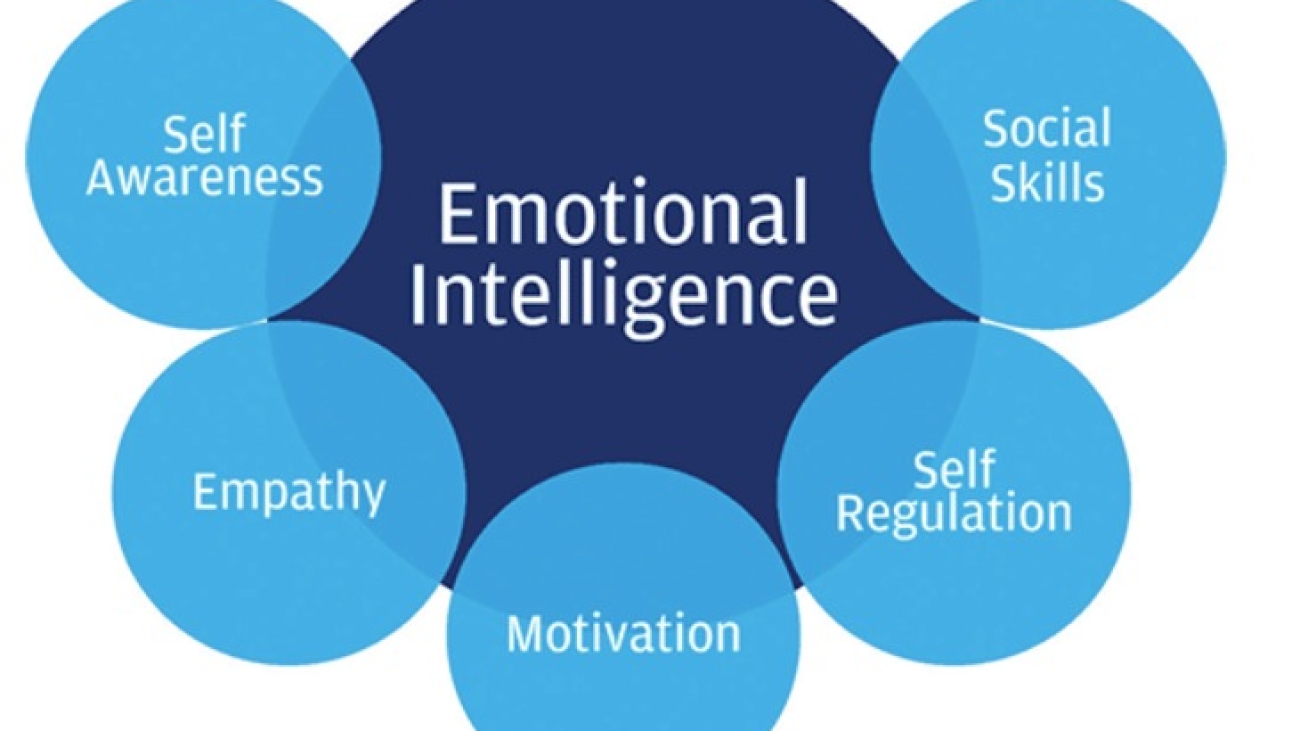
Emotional Intelligence (EI) is the ability to:

-Understand your emotions

-Control your reactions

-Manage customer emotions

Service excellence depends more on emotional control than technical skill

The Reality in Customer Service

In many organizations:

-Employees know what to say

-But react emotionally under pressure

Result:
-Arguments with customers
-Poor communication
-Escalation of issues

Why?

Because:

-Emotions are not managed

-Stress is not controlled

-Empathy is missing

What is Emotional Intelligence in Customer Service?

It is the ability to:

  • Stay calm under pressure
  • Understand customer feelings
  • Respond professionally
  • Build positive interactions

Key Components of Emotional Intelligence

1️.Self-Awareness

Understanding your emotions

Example:
Recognizing when you feel frustrated

Impact:

Prevents negative reactions

2️.Self-Control

Managing your emotional response

Example:
Staying calm even when the customer is angry

Impact:

Maintains professionalism

3️.Empathy

Understanding customer feelings

Example:
“I understand your frustration, let me help you”

Impact:

Builds trust

4️.Social Skills

Communicating effectively

Example:
Using positive language

Impact:

-Improves interaction quality

5️.Motivation

Maintaining a positive attitude

Impact:

-Consistent service performance

Emotional Intelligence Through OTP Framework

Operations → Visibility → Accountability → Control → Profit

1️.Operations

EI must be part of daily service interactions

Every customer interaction requires emotional control

2️.Visibility

Supervisors must observe:

-Behavior

-Communication style

-Customer feedback

Emotional performance must be visible

3️.Accountability

Employees must take responsibility for:

-Their behavior

-Their responses

Not blame customers

4️.Control

Train and guide employees to:

-Manage stress

-Handle difficult situations

Emotional control improves service quality

5️.Profit

When EI improves:

  • Customer satisfaction increases
  • Complaints reduce
  • Loyalty improves

Profit increases

What Happens Without Emotional Intelligence?

  • Conflicts increase
  • Customers feel disrespected
  • Service quality drops

What Happens With Emotional Intelligence?

-Calm and professional interactions

-Better problem resolution

-Positive customer experience

Result:
-Strong customer relationships
-Improved service quality
-Better business performance

Final Insight

Customers may forget what you said.

But they will never forget how you made them feel.

Emotional intelligence turns service into experience

Let me ask you:

In your organization…
Are employees trained only on what to say…

Or how to manage emotions?

#CustomerService #EmotionalIntelligence #CustomerExperience #Leadership #Operations #Performance #CorporateTraining #TalentConsultancyUAE

Ethical decison making

Essential of Ethical Decision Making in Business Operations

Essential of Ethical Decision Making in Business Operations

Making the Right Decisions for Sustainable Business Success Through the OTP Framework

Operations → Visibility → Accountability → Control → Profit

Concept Insight

Every day, managers, supervisors, and employees make decisions.

Some decisions are operational:

  • Purchasing materials
  • Hiring employees
  • Selecting suppliers
  • Approving expenses
  • Handling customer complaints

Others are strategic:

  • Awarding contracts
  • Setting prices
  • Managing employee performance
  • Expanding business operations

The challenge is:

Not every decision is simply a business decision.

Many decisions are also:

Ethical Decisions

Organizations often fail because of:

-Bribery

-Corruption

-Fraud

-Favoritism

-Conflict of interest

-Manipulation of information

-Unethical leadership

Most business failures begin with one poor ethical decision.

Examples include:

  • Financial scandals
  • Procurement fraud
  • Safety violations
  • Customer deception
  • Workplace harassment

Ethical decision making protects:

-Employees

-Customers

-Suppliers

-Shareholders

-Organizational reputation

-Long-term profitability

What is Ethical Decision Making?

Ethical Decision Making refers to:

The process of choosing actions that are morally right, fair, responsible, and aligned with organizational values, laws, and professional standards.


“Is this the right thing to do?”

Not simply:

“Can we do it?”

Or

“Will we get away with it?”

Ethical Decision Making Through OTP Framework

Operations → Visibility → Accountability → Control → Profit

1️.Operations

Ethics Supports Effective Operations

Business operations depend on trust.

Without trust:

-Customers leave

-Employees disengage

-Suppliers become reluctant

-Business relationships suffer

Example

A company knowingly sells defective products.

Short-Term Result

-Immediate sales revenue

Long-Term Result

-Customer complaints

-Reputation damage

-Loss of customers

Ethical Decision

Stop distribution and correct the quality issue.

Operational Benefit

-Sustainable customer confidence

-Stronger business reputation

Key Question

Are operational decisions aligned with organizational values?

2️.Visibility

Ethical Organizations Promote Transparency

Visibility means:

-Honest communication

-Accurate reporting

-Open information sharing

-Transparency in decision making

Example

A warehouse manager discovers inventory discrepancies.

Unethical Response

-Hide the issue

-Manipulate records

Ethical Response

-Report discrepancy immediately

-Investigate root causes

-Implement corrective actions

Result

Better operational visibility.

Management Question

Are problems visible or being hidden?

3️.Accountability

Ethical Decisions Create Ownership

Employees must be accountable for:

-Actions

-Decisions

-Results

-Conduct

Example

A procurement officer receives gifts from suppliers.

Ethical Decision

-Disclose the situation

-Follow company policy

-Avoid conflicts of interest

Result

Accountability remains intact.

Accountability Principle

Ethical people take responsibility for their decisions.

4️.Control

Ethics Strengthens Organizational Control

Controls help prevent:

-Fraud

-Corruption

-Financial misconduct

-Regulatory violations

-Safety breaches

Example

A supervisor notices employees ignoring safety procedures.

Unethical Response

Ignore violations to maintain productivity.

Ethical Response

-Stop unsafe behavior

-Reinforce safety procedures

-Protect employees

Result

Better operational control.

Key Principle

Ethical decisions prevent operational risks before they become crises.

5️.Profit

Ethical Decisions Create Sustainable Profit

Some managers believe:

“Ethics reduces profitability.”

This is incorrect.

Ethical organizations achieve:

-Customer loyalty

-Employee trust

-Investor confidence

-Strong reputation

-Sustainable growth

Example

A company refuses to engage in bribery despite losing a short-term contract.

Short-Term Impact

Potential revenue loss.

Long-Term Impact

-Strong reputation

-Better business opportunities

-Reduced legal risks

Profit Principle

Ethical decisions protect long-term profitability.

Core Principles of Ethical Decision Making

1. Integrity

Doing the right thing even when nobody is watching.

Example

Reporting an accounting mistake immediately.

2. Honesty

Providing truthful information.

Example

Informing customers about product limitations.

3. Fairness

Treating people equally and objectively.

Example

Selecting employees based on qualifications.

4. Respect

Treating all stakeholders professionally.

Example

Respecting workplace diversity.

5. Responsibility

Accepting ownership of actions.

Example

A manager acknowledging a project failure and implementing improvements.

6. Transparency

Being open and truthful.

Example

Accurate KPI reporting.

Ethical Decision-Making Process

Step 1

Identify the issue.

Ask:

What is happening?

Step 2

Gather facts.

Ask:

What information is available?

Step 3

Identify stakeholders.

Ask:

Who will be affected?

Step 4

Evaluate options.

Ask:

Which option is ethical and compliant?

Step 5

Make the decision.

Choose the option aligned with:

✔ Values

✔ Policies

✔ Laws

Step 6

Review consequences.

Monitor outcomes and learn from the decision.

Common Ethical Dilemmas in Business Operations

Procurement

Supplier gifts and kickbacks.

Finance

Manipulating financial reports.

HR

Favoritism in recruitment and promotion.

Operations

Ignoring safety requirements.

Sales

Misleading customers to achieve targets.

Supply Chain

Selecting suppliers based on personal relationships.

Case Study 1

Procurement Conflict of Interest

Situation

A procurement manager’s relative owns one of the bidding companies.

The relative’s quotation is higher than competitors.

Ethical Issue

Conflict of interest.

Ethical Decision

Disclose the relationship and withdraw from the evaluation process.

Result

Fair supplier selection.

Lesson

Personal interests must never influence business decisions.

Case Study 2

Production vs Safety

Situation

Production targets are behind schedule.

Employees skip safety procedures to increase output.

Ethical Issue

Productivity versus employee safety.

Ethical Decision

Enforce safety procedures immediately.

Result

Employees protected and compliance maintained.

Lesson

Safety must never be sacrificed for operational targets.

Case Study 3

KPI Manipulation

Situation

A manager changes operational performance data to achieve targets.

Ethical Issue

Dishonesty and fraud.

Ethical Decision

Report actual results and implement improvement actions.

Result

Accurate performance visibility.

Lesson

Ethical reporting supports continuous improvement.

Benefits of Ethical Decision Making

Organizations achieve:

-Strong reputation

-Customer trust

-Employee commitment

-Better teamwork

-Reduced legal risks

-Improved compliance

-Sustainable profitability

-Long-term business success

Take-Away Points

Ethics is a Business Asset

Ethical behavior protects organizational value.

Ethics Builds Trust

Trust strengthens relationships with employees, customers, and stakeholders.

Ethics Supports Accountability

Employees take responsibility for their actions.

Ethics Improves Decision Quality

Better decisions create better outcomes.

Ethics Protects Reputation

Reputation takes years to build and minutes to destroy.

Ethics Drives Sustainable Profit

Short-term unethical gains often create long-term losses.

Final Insight

Every business decision creates consequences.

The real test of leadership is not making the easiest decision.

It is making the right decision.

Through the OTP Framework:

Operations
→ Ethical decisions support sustainable performance.

Visibility
→ Transparency creates trust.

Accountability
→ Ownership strengthens responsibility.

Control
→ Ethics reduces risk and misconduct.

Profit
→ Trust and reputation generate long-term profitability.

Call to Action

At Talent Consultancy, we help organizations build ethical workplace cultures through:

-Business Ethics Training

-Compliance Awareness Programs

-Leadership Development

-Corporate Governance Training

-Ethical Decision-Making Workshops

-Risk & Compliance Management Programs

Because:

Unethical decisions may create temporary gains.

Ethical decisions create sustainable business success.

#BusinessEthics #Compliance #EthicalLeadership #CorporateGovernance #RiskManagement #OperationalExcellence #BusinessOperations #OTPFramework #LeadershipDevelopment #TalentConsultancyUAE

Business ethics

Necessity of Business Ethics & Compliance in Business Effectiveness

Necessity of Business Ethics & Compliance in Business Effectiveness

Why Ethical Conduct and Compliance Are Essential for Sustainable Business Success

Operations → Visibility → Accountability → Control → Profit (OTP Framework)

Concept Insight

Many organizations focus on:

-Sales growth
-Profitability
-Productivity
-Market expansion

However, some organizations achieve these goals and still fail.

Why?

Because business effectiveness is not built on profits alone.

It is built on:

Trust, Integrity, Accountability, and Compliance

Organizations that ignore ethics and compliance often face:

-Fraud

-Corruption

-Financial losses

-Regulatory penalties

-Workplace misconduct

-Customer dissatisfaction

-Reputational damage

A business can recover from a bad month of sales.

But it may not recover from a serious ethical failure.

Business effectiveness depends on doing the right things, in the right way, while complying with laws, regulations, and organizational standards.

What is Business Ethics?

Business Ethics refers to:

The moral principles and values that guide behavior and decision-making in an organization.

It answers:

“What is the right thing to do?”

What is Compliance?

Compliance refers to:

Following laws, regulations, policies, procedures, and industry standards.

It answers:

“What must we do according to the rules?”

Ethics guides behavior.

Compliance governs behavior.

Together they create a strong foundation for business effectiveness.

Business Ethics & Compliance Through OTP Framework

Operations → Visibility → Accountability → Control → Profit

1️.Operations

Ethics Improves Operational Effectiveness

Business operations rely on:

-Trust

-Fairness

-Professional conduct

-Responsible decision-making

Example

A company knowingly ships defective products to customers.

Short-Term Outcome

-Orders shipped

-Revenue collected

Long-Term Outcome

-Customer complaints

-Product returns

-Reputation damage

Ethical Decision

Delay shipment and correct quality issues.

Operational Benefit

-Better customer satisfaction

-Sustainable business relationships

Key Message

Effective operations require ethical decisions.

2️.Visibility

Ethics Creates Transparency

Visibility means:

-Accurate information

-Honest reporting

-Open communication

-Transparency in decisions

Example

A warehouse manager discovers inventory shortages.

Unethical Response

-Hide discrepancies

-Alter records

Ethical Response

-Report the issue

-Investigate root causes

-Implement corrective actions

Result

Management gains accurate operational visibility.

Key Message

Visibility improves when organizations promote honesty.

3️.Accountability

Ethics Strengthens Responsibility

Employees and managers must be accountable for:

-Actions

-Decisions

-Performance

-Conduct

Example

A procurement officer accepts gifts from suppliers.

Ethical Action

-Disclose the situation

-Follow company policy

-Avoid conflicts of interest

Result

Fair supplier selection.

Key Message

Accountability grows when ethical standards are enforced.

4️.Control

Compliance Reduces Operational Risks

Compliance systems help control:

-Fraud

-Corruption

-Legal violations

-Safety incidents

-Financial misconduct

Example

Employees ignore workplace safety procedures.

Without Compliance

-Workplace accidents occur

-Legal liability increases

With Compliance

-Safety procedures enforced

-Risks reduced

-Employees protected

Key Message

Strong compliance systems create operational control.

5️.Profit

Ethics and Compliance Support Sustainable Profitability

Many organizations mistakenly believe:

“Ethics reduces profits.”

The opposite is true.

Ethical organizations enjoy:

-Strong customer loyalty

-Better employee retention

-Reduced legal costs

-Lower business risk

-Strong reputation

Example

A company refuses to pay a bribe to win a contract.

Short-Term Impact

Potential business opportunity lost.

Long-Term Impact

-Reputation strengthened

-Legal risks avoided

-Trust enhanced

Key Message

Sustainable profit comes from ethical business practices.

Why Business Ethics & Compliance Are Necessary for Business Effectiveness

1. Builds Trust and Reputation

Reputation is one of the most valuable business assets.

Benefits

-Customer confidence

-Investor trust

-Public credibility

Example

Organizations known for ethical conduct attract more loyal customers.

2. Improves Decision Making

Ethical decision-making promotes:

-Fairness

-Objectivity

-Long-term thinking

Example

Selecting suppliers based on performance rather than personal relationships.

3. Reduces Legal and Financial Risks

Compliance prevents:

-Fines

-Penalties

-Lawsuits

-Regulatory sanctions

Example

Following labor laws reduces employment disputes.

4. Enhances Employee Engagement

Employees are more committed when they perceive:

-Fair treatment

-Respect

-Integrity from leadership

Result

-Higher morale

-Better performance

-Lower turnover

5. Strengthens Customer Relationships

Customers prefer organizations that:

-Keep promises

-Deliver quality

-Operate honestly

Result

-Repeat business

-Strong customer loyalty

6. Improves Organizational Culture

Ethical cultures promote:

-Respect

-Teamwork

-Accountability

-Professionalism

Result

Better workplace environment

7. Supports Long-Term Sustainability

Unethical shortcuts often create temporary gains but long-term damage.

Ethical Organizations Focus On

-Sustainability

-Stakeholder value

-Responsible growth

Consequences of Poor Ethics & Compliance

Operational Consequences

-Reduced productivity

-Poor decision-making

-Customer dissatisfaction

Financial Consequences

-Fines

-Penalties

Revenue loss

Employee Consequences

-Low morale

-High turnover

-Workplace conflict

Reputational Consequences

-Loss of trust

-Negative publicity

-Damaged brand image

Case Study

The Procurement Manager’s Dilemma

Situation

A supplier offers a procurement manager an expensive vacation in exchange for awarding a contract.

Option A

Accept the offer.

Short-Term Outcome

Personal benefit

Long-Term Risks

-Conflict of interest

-Corruption allegations

-Organizational reputation damage

-Possible disciplinary action

Option B

Decline the offer and report the incident.

Outcome

-Fair procurement process

-Ethical standards maintained

-Trust preserved

Lesson

Ethical decisions protect both individuals and organizations.

Benefits of Strong Ethics & Compliance Programs

Organizations achieve:

-Better operational effectiveness

-Stronger governance

-Reduced risks

-Improved employee commitment

-Better customer satisfaction

-Sustainable profitability

-Enhanced business reputation

Take-Away Points

Ethics and Compliance Are Business Necessities

They are not optional activities.

Ethics Builds Trust

Trust strengthens relationships with all stakeholders.

Compliance Protects the Organization

Compliance reduces legal and operational risks.

Ethical Leadership Matters

Employees follow what leaders do, not what leaders say.

Transparency Creates Visibility

Honest reporting improves business decision-making.

Sustainable Profit Requires Ethical Behavior

Short-term gains achieved unethically often result in long-term losses.

Final Insight

Successful organizations do not achieve effectiveness merely by increasing sales or reducing costs.

They achieve effectiveness by creating an environment where:

-Decisions are ethical

-Actions are accountable

-Operations are transparent

-Compliance is respected

-Stakeholders are trusted

Through the OTP Framework

Operations
→ Ethical behavior supports performance.

Visibility
→ Transparency improves decision-making.

Accountability
→ Responsibility strengthens execution.

Control
→ Compliance reduces risks.

Profit
→ Trust and integrity generate sustainable business success.

Talent Consultancy

We help organizations strengthen:

-Business Ethics

-Compliance Awareness

-Corporate Governance

-Leadership Accountability

-Ethical Decision-Making

-Risk & Compliance Management

Because:

Ethics protects the business.

Compliance sustains the business.

Together they drive business effectiveness.

#BusinessEthics #Compliance #CorporateGovernance #Leadership #RiskManagement #OperationalExcellence #BusinessEffectiveness #OTPFramework #CorporateTraining #TalentConsultancyUAE