
Linking Business Strategy, Push–Pull Supply Chain, and Production Strategy (MTS, ATO, MTO) with Warehouse Management
(Using OTP Framework to Drive Business Performance)**
Many organizations design:
- Business strategies
- Supply chain strategies
- Production strategies
But fail in execution because:
Warehouse management is not aligned with these strategies.
Because in reality:
Warehouse is not just storage—it is the execution center of strategy.
At Talent Consultancy, we emphasize:
“Strategy is planned at the top—but performance is delivered in the warehouse.”
1. Understanding the Strategic Linkage
Three Levels of Alignment
1. Business Strategy
- Cost leadership
- Differentiation
- Responsiveness
2. Supply Chain Strategy
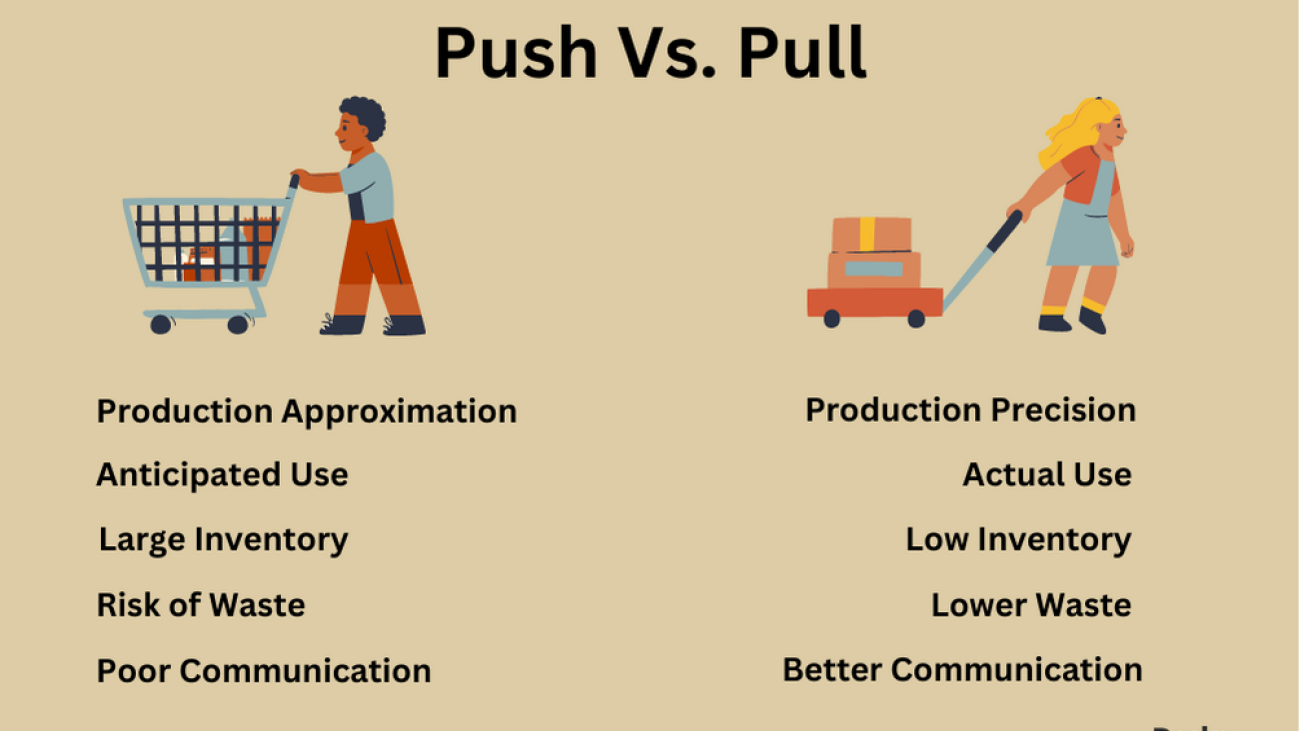
- Push (forecast-driven)
- Pull (demand-driven)
3. Operational Strategy
- MTS (Make to Stock)
- ATO (Assemble to Order)
- MTO (Make to Order)
Execution Point:
Warehouse Management
Core Integration Concept:
Strategy → Supply Chain → Production → Warehouse → Customer
Key Insight:
Warehouse translates strategy into customer experience
2. Linking Business Strategy with Supply Chain & Production
1. Cost Leadership Strategy
Focus:
- Low cost
- High efficiency
Supply Chain Strategy:
Push
Production Strategy:
MTS
Warehouse Role:
- High-volume storage
- Bulk handling
- Efficient picking
Impact:
- Lower cost per unit
2. Differentiation Strategy
Focus:
- Customization
- Value-added services
Supply Chain Strategy:
Hybrid
Production Strategy:
ATO
Warehouse Role:
- Component storage
- Assembly support
Impact:
- Flexible service
3. Responsiveness Strategy
Focus:
- Speed
- Customer-specific solutions
Supply Chain Strategy:
Pull
Production Strategy:
MTO
Warehouse Role:
- Fast processing
- Minimal inventory
Impact:
- Faster response
Key Insight:
Warehouse design must match strategy
3. Warehouse Management in Different Strategies
1. Warehouse in MTS (Push System)
Characteristics:
- Large inventory
- Finished goods storage
Activities:
- Bulk receiving
- Storage optimization
- Order picking
KPIs:
- Inventory turnover
- Storage utilization
Risk:
- Overstock
2. Warehouse in ATO (Hybrid System)
Characteristics:
- Component storage
- Assembly operations
Activities:
- Kitting
- Fast assembly
KPIs:
- Assembly time
- Order fulfillment rate
Advantage:
- Balance flexibility and cost
3. Warehouse in MTO (Pull System)
Characteristics:
- Minimal inventory
- Fast movement
Activities:
- Cross-docking
- Quick dispatch
KPIs:
- Lead time
- On-time delivery
Advantage:
- Low inventory cost
4. Role of Warehouse in Business Performance
1. Inventory Control
- Prevent excess and shortage
2. Order Fulfillment
- Accurate and fast delivery
3. Cost Efficiency
- Reduce storage and handling cost
4. Customer Service
- Improve delivery speed
Key Insight:
Warehouse performance directly impacts customer satisfaction and cost
5. Linking Everything Through OTP Framework
OTP Framework
Operations → Visibility → Accountability → Control → Profit
6. Warehouse Management in OTP Perspective
1. Visibility (Warehouse Data & Transparency)
What to Track:
- Inventory levels
- Order status
- Stock movement
Impact:
- Clear operational insight
Example:
- Real-time stock tracking prevents stockouts
OTP Link
Data → Visibility → Clarity
2. Accountability (Ownership of Warehouse Performance)
Responsibility:
- Warehouse managers
- Supervisors
- Staff
KPIs:
- Picking accuracy
- On-time dispatch
Impact:
- Improved performance
OTP Link
Visibility → Accountability → Responsibility
3. Control (Process Optimization & Strategy Alignment)
Actions:
- Align inventory with demand
- Optimize layout
- Improve picking process
Impact:
- Reduced waste
- Increased efficiency
OTP Link
Accountability → Control → Optimization
4. Profit (Outcome of Effective Warehouse Management)
Results:
- Lower cost
- Faster delivery
- Better service
Increased profitability
7. Integrated Business Example
Scenario:
Company using MTS but warehouse not optimized
Problem:
- Excess inventory
- Slow picking
Solution (OTP):
Visibility
- Track inventory
Accountability
- Assign warehouse KPIs
Control
- Optimize layout and stock
Result:
- Reduced storage cost
- Faster order fulfillment
- Improved customer satisfaction
- Higher profit
8. Common Mistakes in Strategy-Warehouse Alignment
- Mismatch between strategy and warehouse design
- Poor inventory control
- Lack of KPI tracking
- No real-time visibility
9. Points to Remember in Business Operations
1. Strategy Must Align Across All Levels
- Business → Supply chain → Production → Warehouse
2. Warehouse is a Strategic Function
- Not just storage
3. Push vs Pull Drives Inventory Decisions
- Key to warehouse efficiency
4. KPIs Drive Performance
- Must be tracked
5. OTP Framework Ensures Execution
- Visibility, accountability, control
10. Complete Performance Logic
Business Strategy
→ Supply Chain Strategy (Push/Pull)
→ Production Strategy (MTS/ATO/MTO)
→ Warehouse Management
→ Visibility
→ Accountability
→ Control
→ Efficiency
→ Customer Satisfaction
→ Revenue
→ Profit
→ Business Performance
Final Strategic Thought
Many organizations design strategies but fail in execution due to poor warehouse alignment. The warehouse is the critical link that converts strategy into operational performance and customer satisfaction.
At Talent Consultancy, we emphasize that warehouse management must be strategically aligned with supply chain and production strategies using the OTP framework to achieve operational excellence and sustainable business performance.
Final Powerful Statement
Strategy creates direction. Supply chain creates flow. Production creates value. But warehouse execution creates performance.”