
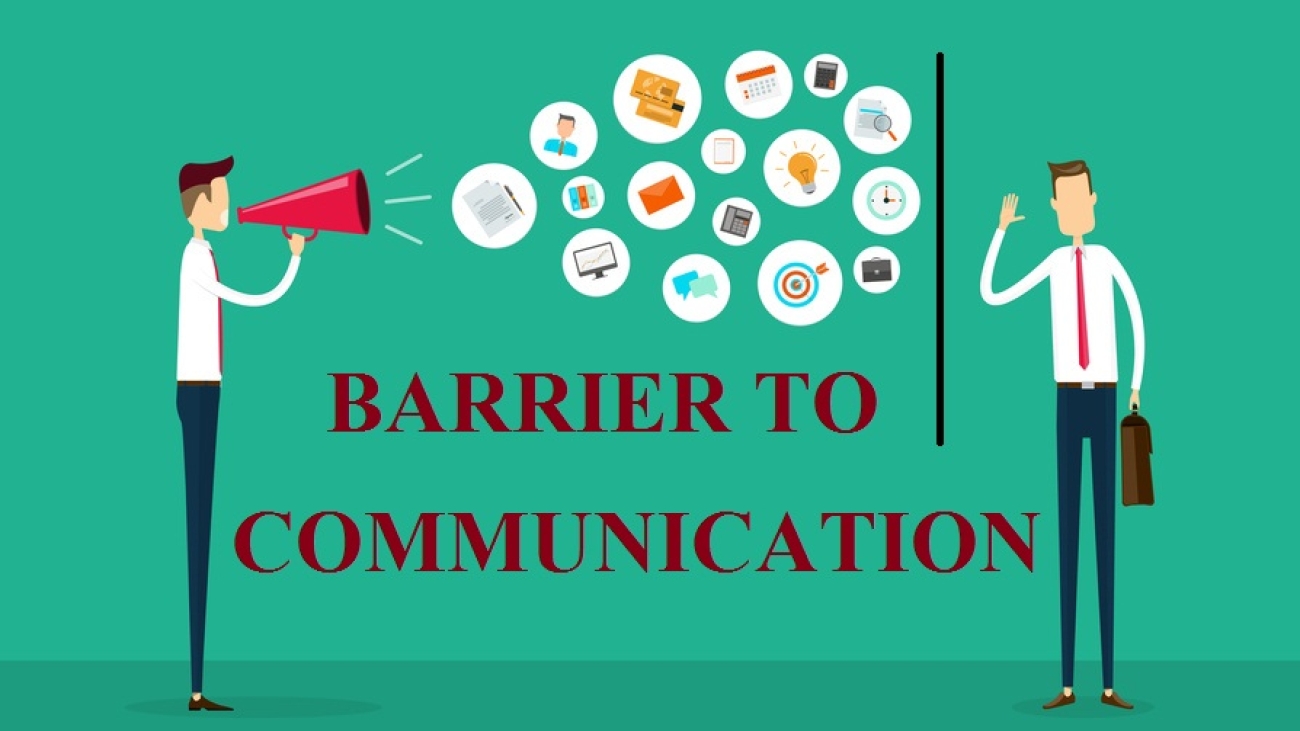
Communication Barriers in the Workplace: Role Plays
ROLE PLAY 1: Assumption Barrier
(Ladder of Inference)
Scenario
A manager notices an employee leaving early for two days.
Roles
- Manager
- Employee
- Observer
Poor Communication Version
Manager:
“You’re clearly not committed anymore. Leaving early again?”
Employee:
“I had permission… but okay.”
Improved Communication Version
Manager:
“I noticed you left early the past two days. Can you help me understand what’s going on?”
Employee:
“I had client meetings approved by the team lead.”
Questions
- What assumption did the manager make?
- At which step of the Ladder of Inference did the breakdown occur?
- How did questioning change the outcome?
Model Answers
- The manager assumed lack of commitment without verifying facts.
- The error occurred at Interpretation → Assumption stages.
- Open-ended questioning clarified reality and prevented conflict.
Learning Point
Assumptions create conflict. Questions create clarity.
ROLE PLAY 2: Poor Listening Barrier
(One-way Communication)
Scenario
An employee raises concerns during a team meeting.
Roles
- Team Leader
- Employee
- Observer
Poor Communication Version
Employee:
“The deadline may be tight due to system issues.”
Leader:
“Noted. Let’s move on.”
Improved Communication Version
Leader:
“Can you explain the system issue and how it affects the timeline?”
Questions
- What listening mistake did the leader make?
- How did it impact employee engagement?
- What listening skill was missing?
Model Answers
- The leader practiced surface listening, not active listening.
- The employee felt ignored, reducing psychological safety.
- Reflective listening and probing questions were missing.
Learning Point
Listening is a leadership act, not a courtesy.
ROLE PLAY 3: Unclear Message Barrier
(Violation of 7 Cs)
Scenario
A manager assigns a task via email.
Poor Communication Version
Email:
“Please update the report ASAP.”
Improved Communication Version
Email:
“Please update the sales report using Q4 data and submit by Thursday 4 PM.”
Questions
- Which Cs were missing in the first message?
- How did clarity improve performance?
- What risks exist with vague instructions?
Model Answers
- Clear, Complete, Concrete.
- Clear expectations reduced rework and delays.
- Vague messages lead to wrong outputs and frustration.
Learning Point
If instructions are unclear, results will be unclear.
ROLE PLAY 4: Emotional Barrier
(Emotional Intelligence)
Scenario
A stressed employee reacts defensively to feedback.
Roles
- Manager
- Employee
- Observer
Poor Communication Version
Manager:
“This mistake is unacceptable.”
Employee:
“I’m doing everything alone anyway!”
Improved Communication Version
Manager:
“I can see this is stressful. Let’s review what went wrong and how I can support you.”
Questions
- What emotional trigger caused the breakdown?
- How did empathy change the conversation?
- What EQ skill was used?
Model Answers
- Stress and fear of blame triggered defensiveness.
- Empathy lowered emotional resistance.
- Emotion labeling and empathy statements.
Learning Point
People don’t argue with empathy.
ROLE PLAY 5: Cultural Communication Barrier
(Berlo’s SMCR Model)
Scenario
A multicultural team misinterprets direct feedback.
Poor Communication Version
Manager:
“This approach is wrong. Fix it.”
Employee (silent):
(Feels disrespected)
Improved Communication Version
Manager:
“This approach may need adjustment. Let’s review alternatives together.”
Questions
- Which SMCR element caused misunderstanding?
- How did culture affect message interpretation?
- What adjustment improved effectiveness?
Model Answers
- Culture and attitudes influenced interpretation.
- Direct language was perceived as disrespectful.
- Softer phrasing with collaboration increased acceptance.
Learning Point
Same words, different cultures, different meanings.
ROLE PLAY 6: Feedback Barrier
(Johari Window – Blind Area)
Scenario
An employee is unaware of a negative habit.
Poor Communication Version
Manager:
“Your attitude needs improvement.”
Improved Communication Version
Manager:
“In meetings, interrupting others reduces collaboration. How can we work on this?”
Questions
- Which Johari Window area is addressed?
- Why is specific feedback more effective?
- How does this improve self-awareness?
Model Answers
- Blind Area.
- Specific feedback is actionable, not personal.
- It helps the employee see unseen behavior.
Learning Point
Feedback shrinks blind spots, not confidence.
Wrap-Up Summary
| Barrier | Leadership Fix |
| Assumptions | Ask questions |
| Poor listening | Active listening |
| Unclear messages | Apply 7 Cs |
| Emotional reactions | Empathy |
| Cultural gaps | Adapt style |
| Feedback fear | Specific coaching |