
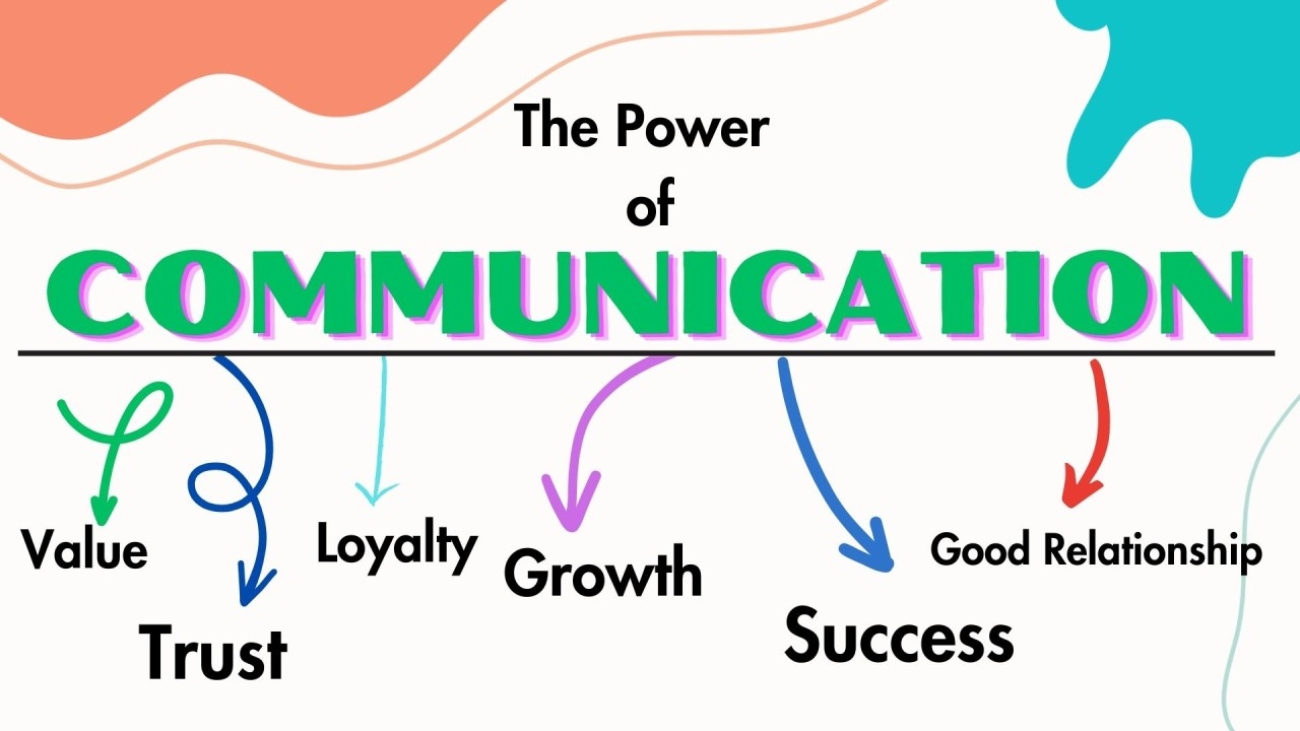
Communication with Power
This is not about shouting or authority.
Communication with power means communicating clearly, confidently, professionally, and respectfully so people listen, understand, and trust you.
1. What is Communication with Power?
Simple Definition:
Communication with power is speaking clearly, confidently, respectfully, and professionally so your message is understood and respected.
It includes:
- Confidence
- Clarity
- Professional language
- Positive tone
- Body language
- Listening
- Respect
- Emotional control
- Purpose
2. Weak Communication vs Powerful Communication
| Weak Communication | Powerful Communication |
| Maybe | Certainly |
| I think | I recommend |
| Not sure | Let me confirm |
| Wait | Please allow me a moment |
| No | Here is what we can do |
| That’s not my job | I will connect you to the right person |
| You are wrong | Let me clarify |
| Calm down | I understand your concern |
| I don’t know | Let me find out for you |
Powerful communication does not sound rude, it sounds professional and confident.
3. Elements of Powerful Communication
1. Clear Message
Speak clearly and directly.
Weak:
“Maybe we can try tomorrow or something.”
Powerful:
“We will complete the delivery tomorrow.”
2. Confident Tone
Speak with confidence, not fear.
Weak:
“I’m not sure but maybe…”
Powerful:
“Let me confirm that and update you within 10 minutes.”
3. Professional Words
Use professional vocabulary.
Instead of:
- Problem → Issue
- Cheap → Affordable
- Wait → Thank you for your patience
- Busy → Currently assisting another customer
4. Positive Language
Focus on what you can do, not what you cannot do.
Weak:
“We don’t have this.”
Powerful:
“This item will be available tomorrow. I can reserve one for you.”
5. Listening Skills
Powerful communicators listen more and talk less.
Rule:
Listen to understand, not to respond.
6. Body Language (Non-Verbal Power)
Powerful body language:
- Eye contact
- Stand straight
- Calm face
- Smile
- Nod when listening
- Open posture
- No crossed arms
Body language communicates confidence and professionalism.
4. Powerful Workplace Communication Examples
Situation 1 – Customer Complaint
Weak Communication:
“It’s not our fault. Delivery department problem.”
Powerful Communication:
“I apologize for the inconvenience. Let me check the delivery status and update you immediately.”
Situation 2 – Saying No
Weak:
“No, not possible.”
Powerful:
“At the moment, we are unable to provide that service, however we can offer this alternative.”
Situation 3 – Giving Instructions
Weak:
“Do this fast.”
Powerful:
“Please complete this task by 3 PM today.”
Situation 4 – Team Communication
Weak:
“This report is wrong.”
Powerful:
“There are a few areas that need correction. Let’s review them together.”
5. Powerful Words to Use at Work
Use these words frequently:
| Word | Use |
| Certainly | Positive response |
| Absolutely | Agreement |
| Recommend | Professional suggestion |
| Suggest | Advice |
| Assist | Help |
| Clarify | Explain |
| Confirm | Check |
| Update | Inform |
| Resolve | Solve |
| Support | Help |
| Appreciate | Thank |
| Inform | Tell professionally |
| Discuss | Talk professionally |
| Arrange | Organize |
| Schedule | Plan time |
| Priority | Important |
| Immediately | Urgent |
| Alternative | Another option |
These words make communication sound professional and powerful.
6. Communication with Power Formula (Very Important for Training)
Powerful Communication Formula:
Think → Organize → Speak → Confirm → Follow-up
Or simple model:
Clear + Confident + Polite + Professional = Powerful Communication
7. Points to Remember (Very Important)
You can teach these in training:
- Speak clearly
- Speak confidently
- Use professional words
- Use positive language
- Listen carefully
- Maintain eye contact
- Control emotions
- Do not argue
- Focus on solutions
- Be respectful
- Be calm
- Confirm understanding
- Take responsibility
- Be professional always
- Your tone is more important than your words
8. Very Powerful Training Statement
You can tell participants this:
Weak communication creates confusion.
Aggressive communication creates conflict.
Passive communication creates mistakes.
Powerful communication creates respect, clarity, and trust.
9. Final Training Concept (Very Powerful)
The 5C Model of Powerful Communication
- Clear
- Confident
- Courteous
- Correct
- Complete
If communication has these 5 → Communication becomes powerful and professional.
Communication is power in the workplace.
People who communicate well become:
- Good employees
- Good customer service staff
- Good supervisors
- Good managers
- Good leaders
Communication skill is a career skill.